





Identify the ways water and weather can affect your home, complete ordinary maintenance early, and decide when you would leave. Property protection works best as part of a clear household safety plan.
Prepare while conditions are safe
Check drainage, documents and alerts before severe weather arrives. Arrange qualified repairs early.
Protect the exit plan
Choose transport, destinations and a way to receive local instructions. Property equipment cannot make flooding safe.
Start with local hazards and your property
Review local alerts and the areas of your home that have leaked, flooded or lost power before. A basement, ground-floor apartment and elevated home have different vulnerabilities. Identify exits, document storage and a safe place to move important belongings before conditions deteriorate.
FEMA emphasizes that personal safety takes priority over protecting property. Do not wait for rising water to start moving heavy items or inspecting electrical equipment. Prepare early enough that you can stop and leave when instructed.
Keep routine drainage maintenance current
Maintain gutters and downspouts and check that drainage routes remain clear. Arrange appropriate repairs before storm season. NWS recommends preparing window protection ahead of hurricane season where that is part of the local plan.
Photograph important belongings and keep essential records in a safe, accessible location. Store needed copies so loss of one device or location does not remove your only access. Include documents in your communication and evacuation plan.

Work through local hazards, maintenance and the household response before a storm interrupts normal routines.
Explore sump-pump backup planning Photo: Max Bender / UnsplashUse water alarms as an early-warning layer
A water alarm can help identify a leak at a vulnerable location, but it cannot stop the water. Compare sensor placement, audible alerts, battery replacement and how remote notifications work. An internet-connected alert may depend on your router, service and power remaining available.
Ask who will hear or receive the warning, what they can safely do, and who will check the home when you are away. A notification without a response plan is incomplete. Do not enter floodwater or an electrically unsafe area to retrieve a sensor.
Trace the whole sump-pump system
FEMA identifies working sump pumps and battery backup as measures that can reduce basement flood damage. A backup setup must match the pump and installation. Pump capacity, controls, discharge routing, charging and battery maintenance all matter.
Have a qualified professional assess electrical connections and installation requirements. A battery does not guarantee pumping for the length of a storm, and a pump or barrier does not make major flooding safe. Avoid buying a universal-sounding kit without checking system compatibility.
Prepare the evacuation decision
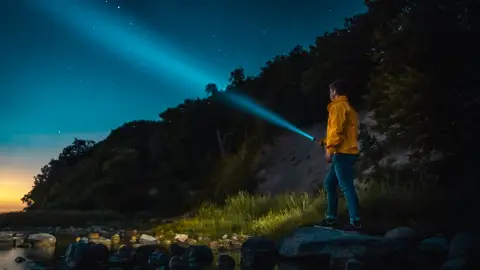
Follow local evacuation instructions promptly. Identify transportation, an alternate destination and what you can carry, including pets and essential records. Keep the weather information and lighting plan ready before a warning arrives.
Supplies and property improvements should support the decision to leave, not delay it. Discuss what happens if one household member is elsewhere when an alert arrives or if the usual route is unavailable.
Spend on the weak point you can actually improve
Start with maintenance, document organization and verified alerts. Then compare leak sensors, suitable storage or a professionally specified backup system against a specific problem. Record installation and recurring maintenance costs alongside equipment cost.
Connect this page with backup power planning, stored drinking water, and the household supply checklist. Flood protection and safe water are separate needs; a pump does not establish that tap water is safe.
Hurricane season: the kit and the watch-to-warning timeline →
Plan your sump-pump backup: system types and installer questions →
Sources and selection approach
We use the primary guidance below to explain household decisions. Equipment-selection judgments are our own; listing a source does not imply that agency endorses a product.