






A useful reserve starts with familiar meals, safe water and a realistic preparation plan. Build three days first, then extend toward a two-week home supply where space and household needs allow.
Build three familiar days
List breakfasts, lunches and dinners your household already eats. Include a manual can opener and dietary needs.
Count the preparation needs
Record water, fuel and refrigeration requirements. Favor meals you can prepare under your actual outage conditions.
Count meals before buying a bundle
List the people you are feeding and the foods they can safely eat. Plan a few ordinary breakfasts, lunches, dinners and snacks using shelf-stable options. Read package portions and ingredients rather than treating a large “servings” number as complete days of food.
FoodSafety.gov recommends foods requiring little cooking, water or refrigeration and says special dehydrated emergency food is unnecessary. Include dietary needs, infant feeding requirements and pet food in your own plan. A specialist meal can be useful, but it needs to earn its storage space.
Use a simple meal worksheet
For each planned meal, write the number of portions, preparation water, cooking requirement and what happens to leftovers. A shelf-stable package may require refrigeration after opening. Smaller packages can reduce waste when refrigeration is unreliable.
For example, a familiar ready-to-eat meal in individual portions solves a different problem from a dry mix that needs safe water and heat. Compare both against the same household day. Keep a manual can opener wherever canned food is stored.

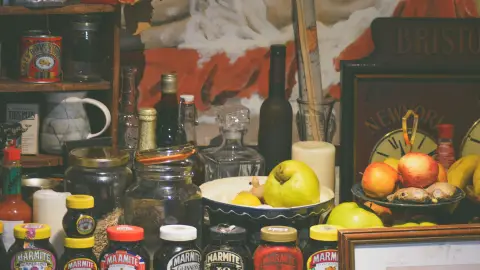
Use your normal kitchen routine to identify meals the household will eat and the preparation each requires.
Build the wider supply checklist Photo: Clay Banks / UnsplashBudget for water and preparation
Set aside drinking and hygiene water before adding the water required by dry meals. Use the water reserve calculator and include any preparation allowance your chosen foods need. Check whether the cooking method is safe and permitted where you would actually use it.
Never use a charcoal grill or outdoor-only cooking appliance inside a home. If you cannot safely cook, make sure enough of the reserve can be eaten without heating. A fuel supply or stove that you cannot use safely does not complete the food plan.
Keep the meal worksheet and drinking-water plan connected when choosing foods for the reserve.
Work through water storage Photo: charlesdeluvio / UnsplashMake rotation part of normal shopping
Choose cool, dry, dark storage protected from pests and flooding. Put earlier-dated items where they are easy to use, inspect packaging, and replenish food through ordinary meals. Keep a short inventory where the food is stored.
Check the package’s own storage and use instructions. Water damage, broken seals and poor storage can matter independently of the printed date. Keep allergen information and preparation instructions with food instead of discarding the packaging during organization.
Have a separate refrigerator contingency
Keep appliance thermometers and a cooler plan. During a power outage, keep refrigerator and freezer doors closed as much as possible and follow FoodSafety.gov’s item-specific keep-or-discard guidance. Never taste food to decide whether it is safe.
If preserving refrigerated food is a priority, use the refrigerator battery guide. Its calculator estimates electrical runtime; it does not establish food safety. Keep some meals independent of the refrigerator even if you buy a battery.
Compare ordinary pantry food with specialist meals
Ordinary groceries are easy to rotate and let you choose known meals. Specialist meals may offer compact packaging or preparation convenience, but compare actual portions, ingredients, water, heat, storage instructions and total cost for your household. Avoid buying a large bucket before trying an appropriate small quantity.
Next, add food to your two-week supply checklist, check water-treatment limits, and review your lighting and charging supplies.
How long does food last in a fridge without power? The four-hour rule →
Read the freezer outage guide: time limits, thawing and safe next steps →
Sources and selection approach
We use the primary guidance below to explain household decisions. Equipment-selection judgments are our own; listing a source does not imply that agency endorses a product.