





Build three days first, then extend the supplies you actually use. A two-week home reserve is a useful preparedness target, not a forecast that a disaster will last fourteen days or a reason to stay somewhere unsafe.
If “doomsday prep” brought you here, start with ordinary household failures: no tap water, no electricity, closed shops, smoke outside, or a need to leave quickly. A reliable plan for those problems has practical value without assuming societal collapse. Work from your local hazards, your household's needs and the space you have. On the Atlantic or Gulf coast, the hurricane preparedness checklist adds what to do at each watch and warning.
The Red Cross distinguishes a three-day evacuation supply from a two-week home supply. Keep those purposes separate: home storage can be bulky, while the things you leave with must be manageable. The family emergency plan covers your contacts and first decisions.
Build the reserve in a useful order
| Need | Prepare at home | Check before spending |
|---|---|---|
| Water | Stored safe water and a replacement schedule. | Quantity, container weight, space and any extra household needs. |
| Food | Familiar shelf-stable meals that need little preparation. | Allergies, dietary needs, manual can opener, water and cooking requirements. |
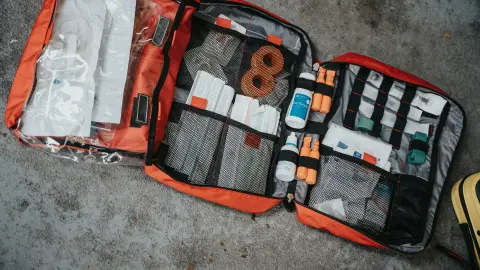
| Health | Medication list, first-aid supplies, essential records. | A plan with your clinician or pharmacist for prescriptions, refrigeration and refills. |
| Communication | Written contacts, charging options and access to local alerts. | Who checks on whom if phones or internet fail? |
| Power and light | Safe lighting, batteries and selected essential-load backup. | Measured energy use and safe charging or generator operation. |
| Air and temperature | A cleaner-air room plan and a place to go if home becomes unsafe. | Cooling, smoke, loss of power, and household vulnerabilities together. |
| Sanitation and pets | Hygiene supplies, waste plan, pet food, water and carriers. | Whether local water or sewer restrictions change what is safe to use. |
Water: make the quantity concrete
CDC recommends at least one gallon per person per day for three days, and trying for two weeks if possible. Two people for fourteen days means 28 gallons before extra needs; four people means 56. Heat, illness, pregnancy and pets can require more. Use the water reserve calculator, then check container weight, storage space and how you will dispense it. If fourteen days will not fit, cover the three-day baseline first and record the remaining gap in your plan.
Unopened commercial bottled water is a straightforward starting point. If you fill containers yourself, follow the cleaning, labeling and replacement guidance. A water filter is not a substitute for a stored reserve, and treatment cannot make every contaminated source safe.
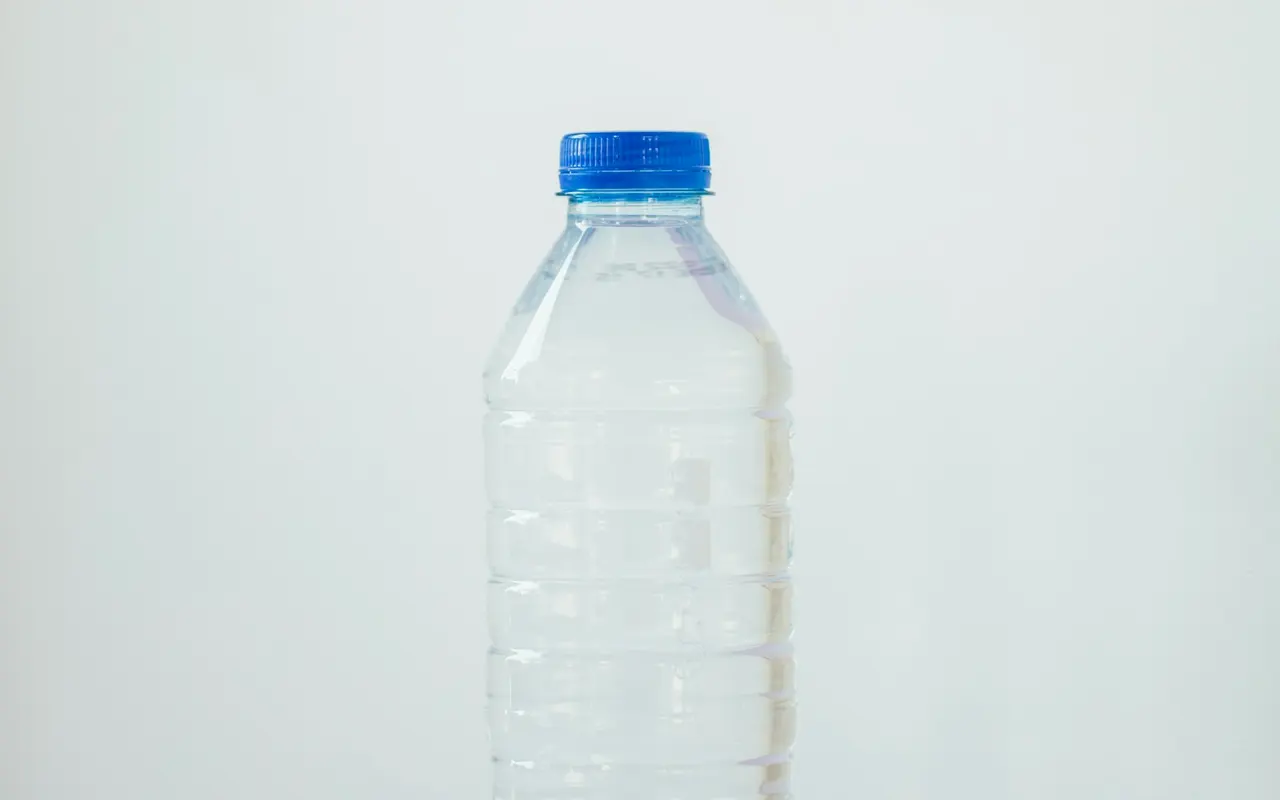
Think through container size, storage space and who will move the reserve before buying a large supply.
Work out your water quantity Photo: charlesdeluvio / UnsplashFood: start with your normal pantry
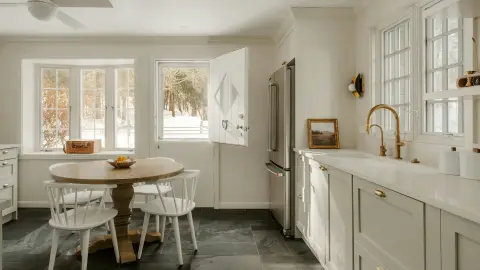
Choose meals the household will actually eat and rotate them through ordinary use. Read serving sizes, preparation water and cooking needs before comparing a large emergency-food bucket with grocery-store food. A big “servings” number does not tell you whether it supplies complete days of meals for your household.
Plan some food that can be eaten without cooking. Never use a charcoal grill or other outdoor-only combustion appliance inside the home. If refrigeration is a priority, budget for a thermometer and a food-safety plan as well as battery backup for the fridge.

Use the pantry as a starting point for your meal plan. Check each food for storage and preparation needs; the photograph is not a complete emergency supply.
Plan familiar emergency meals Photo: Chris Lawton / UnsplashWhen larger equipment is worth considering
A larger battery: useful when measured essential energy needs exceed a small unit, and you have a realistic way to recharge. Compare 1kWh and 4kWh options before choosing a whole-home battery system.
A higher-airflow purifier: useful when the room and smoke conditions call for more clean air than a small unit provides. Match the smoke CADR to the room and include replacement filters.
Installed home systems: backup circuits, drainage and permanent generators depend on the property. Get a qualified assessment and a complete installation cost. An affiliate equipment listing does not establish that a system fits your panel, well, basement or local requirements.
Practice, then maintain
Walk through a short outage scenario while conditions are normal. Locate the lights, contact list, water and charging equipment. Check what is awkward to carry or difficult to operate. Date your stored-water containers, check food labels, inspect supplies and review the plan when the household or seasons change.
You can make progress without a large purchase: write the contacts, add familiar shelf-stable food, put safe water aside, or agree on a meeting place. Use the short household checklist as your starting point.