






Choose a few dependable tools for the tasks your household must do during an outage. Check batteries, charging cables and controls while conditions are normal, then keep the gear where it will be used.
Give each tool a job
Choose lighting for moving around, a weather receiver for alerts and a separate plan for phone charging.
Rehearse the basics
Check reception, controls, spare batteries and cables in normal conditions. Keep instructions where the gear lives.
Match lighting to the task
A headlamp keeps hands available for an ordinary task, a lantern lights a shared area, and a flashlight helps you move between rooms. CDC includes these battery-powered options in its preparedness checklist. Keep spare compatible batteries or a realistic recharging plan.
Compare controls, carrying or mounting options, battery type and the mode used for any runtime claim. A bright maximum setting and a long low-setting runtime describe different operating conditions. Choose settings you can use comfortably and find in the dark.
Check weather-alert features, not just the label
An AM/FM-only receiver cannot receive NOAA weather broadcasts. NWS distinguishes weather-band reception from an automatic tone alarm that can wake or alert a listener. SAME geographic filtering is another feature to check if location-specific alerts are important.
Before buying, decide whether you need manual listening, automatic alerts, geographic selection or a home station with battery backup. NWS does not endorse particular brands. Confirm each exact model’s alert functions instead of treating every “NOAA radio” listing as equivalent.
Practice where the radio will live
Check reception at the intended location and follow the receiver instructions for channel and alert settings. Keep backup batteries appropriate to the model. Make sure another household member knows how to operate it and what an alert means for your local plan.
A hand crank or small built-in solar panel can be a supplementary charging method, but do not assume either will meaningfully recharge a phone without model-specific evidence. Plan phone charging separately if it is essential.
Build one compatible charging kit
List phones, lights, radios and other devices that must charge. Match the connector, cable, charging requirements and battery capacity rather than buying a power bank only by the largest advertised number. Label cables if several people use different devices.
Use the essential-load planner for larger shared loads. A router also depends on the service beyond your house; powering it does not guarantee that internet access survives the outage. Keep written contacts as a separate backup.
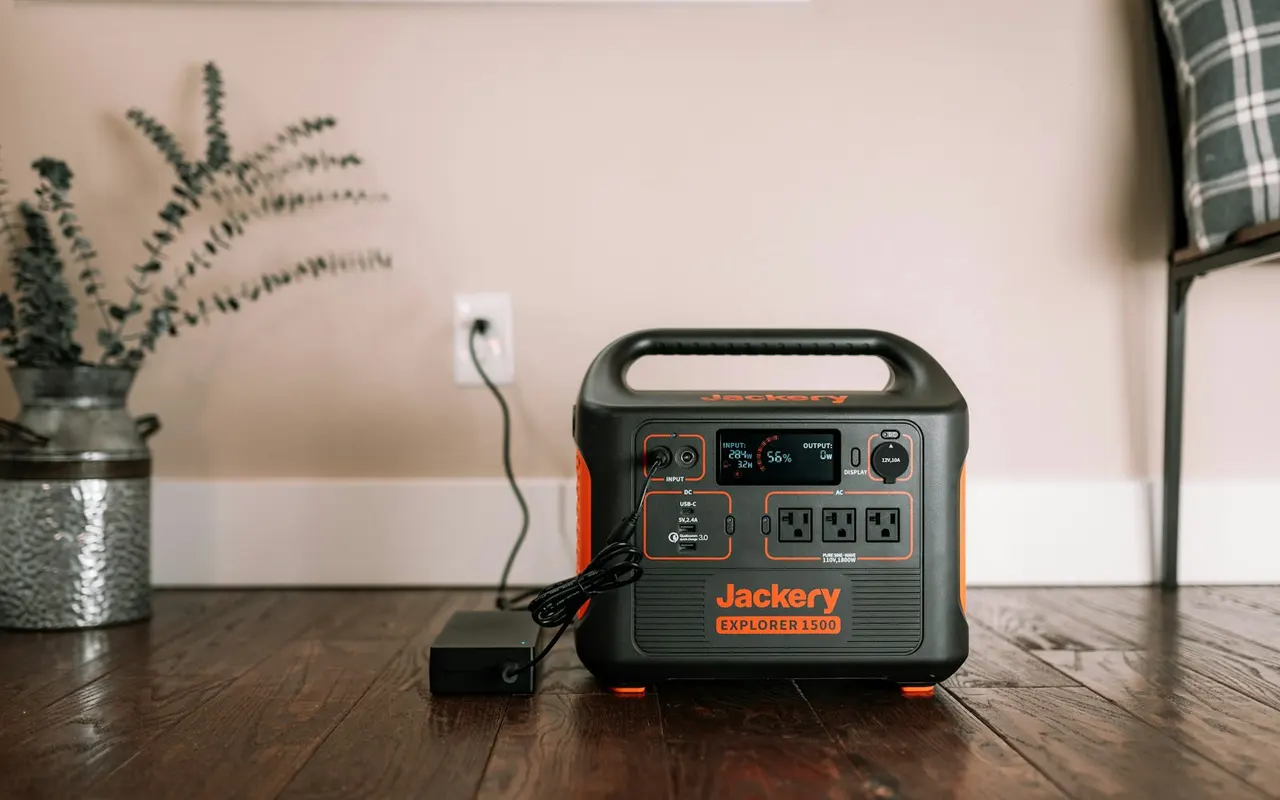
Match charging needs with the lights and devices you actually use. The pictured battery is an editorial category example, not a model recommendation.
Plan the essential loads Photo: Jackery Power Station / UnsplashCompare equipment by the job it does
The radio option below supports weather information; compare lanterns separately for lighting a shared space. Read the exact listing and manufacturer instructions for power, alert features and included batteries before choosing a package.
Check storage size, controls and who will use the device. Buying multiple identical lights can simplify spare batteries; a mixed set may fit different tasks better. Choose intentionally and keep the required supplies with the equipment.
Keep the kit ready between events
Inspect supplies regularly, recharge devices according to their instructions and replace batteries or damaged cables when needed. Test controls during normal conditions rather than waiting for the first outage. Keep a simple inventory with the equipment.
Add gear locations to the family checklist. Pair the kit with cold-weather planning, storm alerts and evacuation decisions, and a safe water reserve.
Compare four NOAA weather radios: alert features, SAME filtering and power options →
Compare emergency equipment side by side →
Sources and selection approach
We use the primary guidance below to explain household decisions. Equipment-selection judgments are our own; listing a source does not imply that agency endorses a product.