






Every room has a job when the power goes out.
Pick a room to see what it needs and which guide to read first.
- Guidance from CDC, EPA, FEMA and NOAA
- Free calculators you can check
- Guides reviewed September 2026
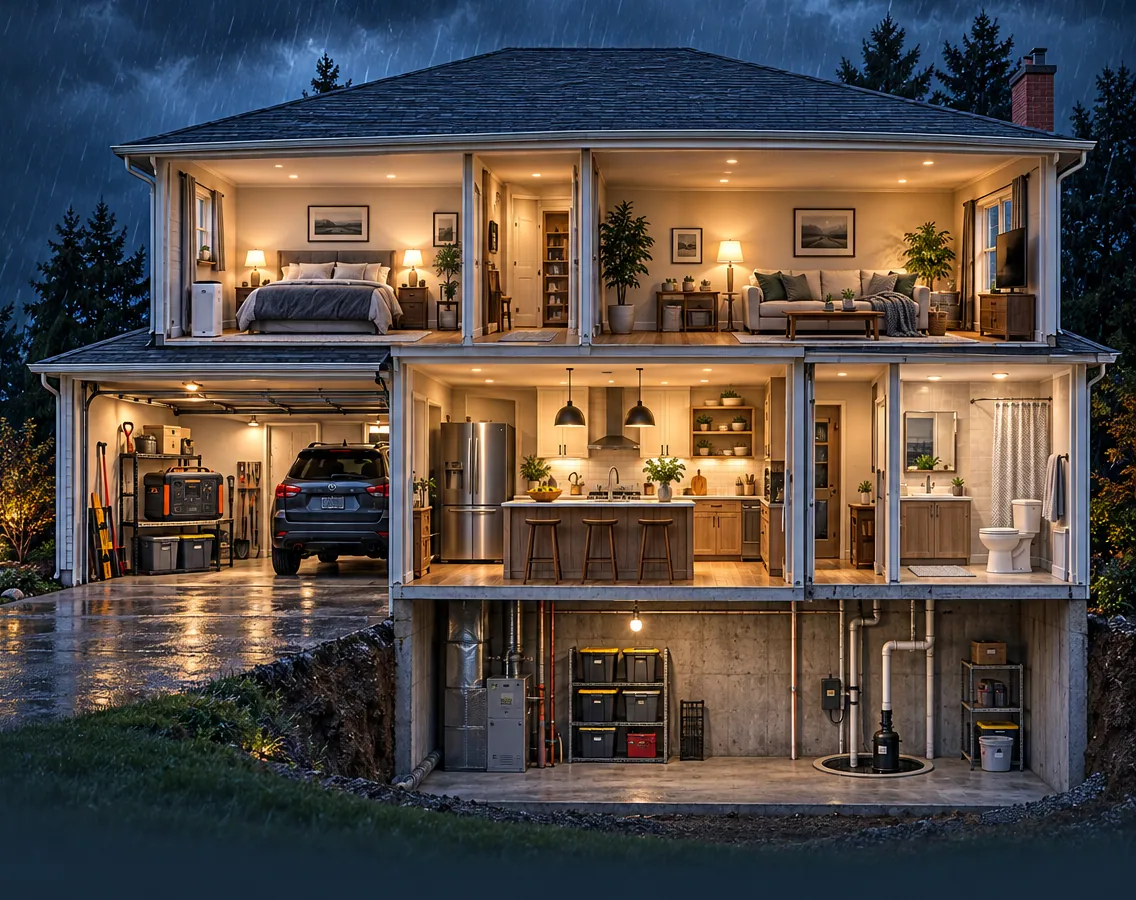
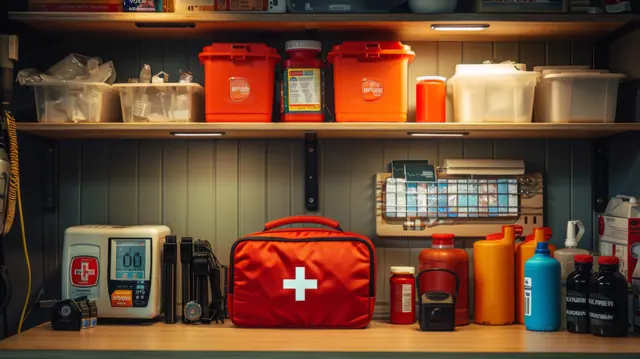
Garage: backup power
Run fuel generators outside, more than 20 feet from windows, doors and vents.
Read the backup power guideKitchen: food and fridge
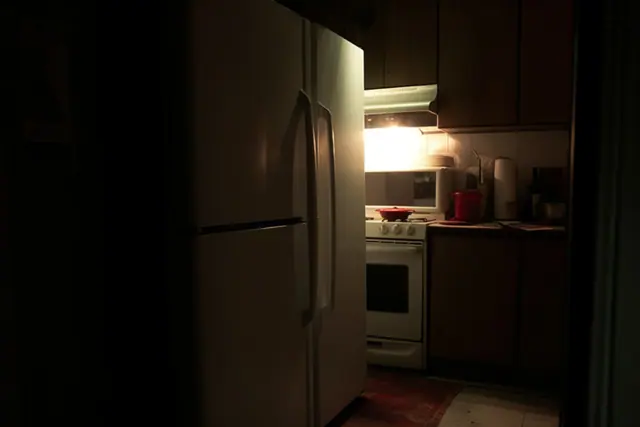
A closed fridge keeps food safe for up to 4 hours without power.
Read the fridge outage guideBathroom: water
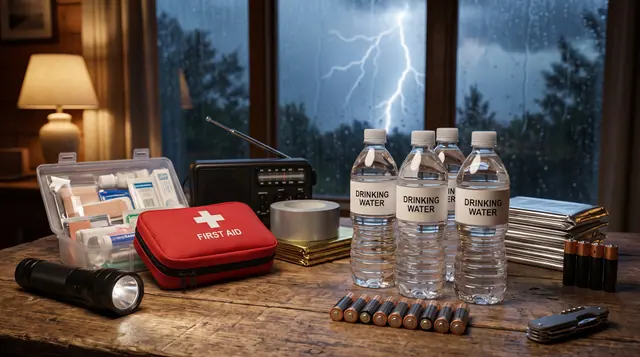
Store at least 1 gallon of water per person per day.
Work out your water reserveBedroom: clean air
For smoke, pick a purifier whose CADR is at least two-thirds of the room’s square feet.
Size a purifier for smokeLiving room: staying warm
Never use a gas range or oven to heat your home.
Plan a warm room safelyBasement: sump pump
Sump pumps stop without power unless they have battery backup.
Compare sump pump backups
Nine parts of a capable home.
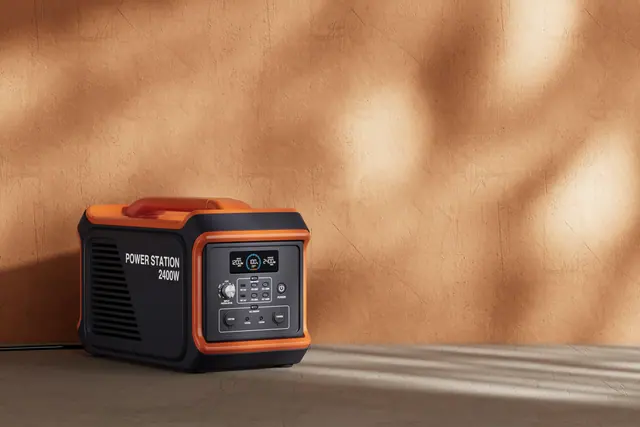 PowerKeep the fridge, lights and phones running.
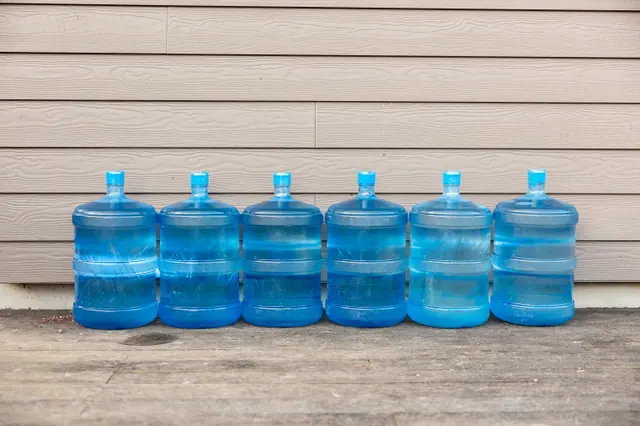 WaterStore enough and know how to treat it.
 HeatStay warm safely when the furnace stops.
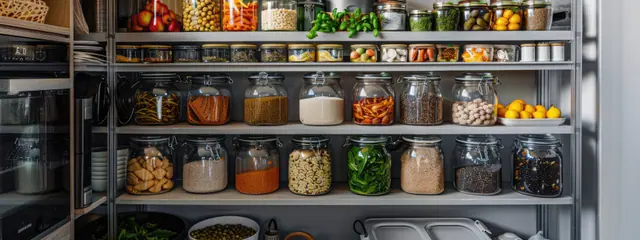 FoodWhat stays safe and what to stock.
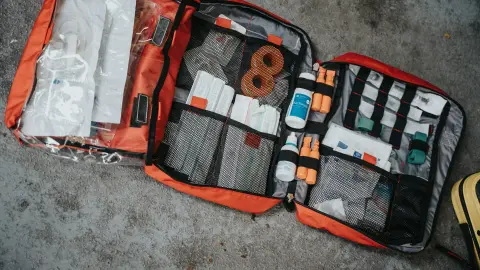 First aidA kit you can find in the dark.
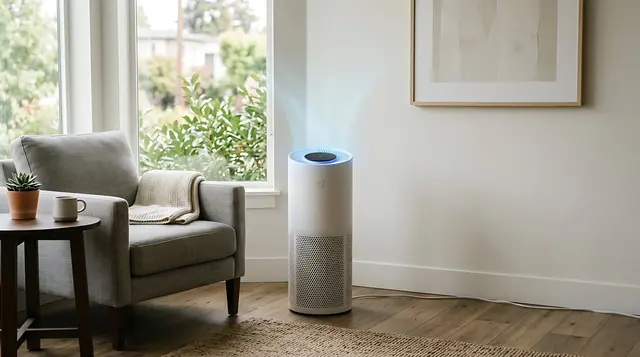 AirCleaner air on smoky days.
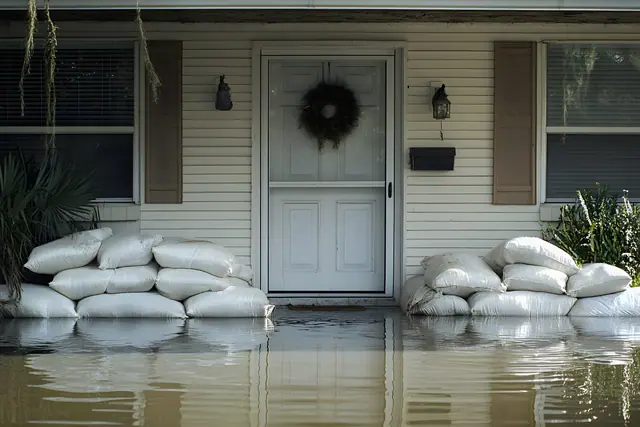 ProtectionStorms, floods and the basement.
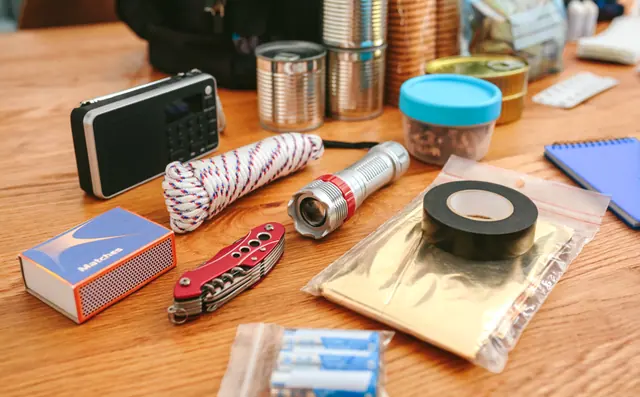 GearLights, radios and charging.
 PlanContacts, meeting places and a checklist.
How ready is your home?
Answer six quick questions and get a plan in order of what matters.
Start the checkExample household
- Drinking waterReady
- Light and radioWatch
- Fridge and freezer planAct
- Family contactsReady
Compare stored energy, not just watts.
We may earn a commission if you buy through links on this page. It costs you nothing extra. As an Amazon Associate I earn from qualifying purchases.
Pick what you would plug in during an outage. Each station shows whether it can run them together, whether it can start the ones with motors, how many outlets they need and how long the battery lasts.
What would you keep running?
A focused set of essentials
Jackery Explorer 1000 v2
About 9 hours for a fridge, 2 LED lamps, 2 phones charging and a Wi-Fi router
- Runs them together481 W of its 1,500 W output
- Can start the motorsAbout 1,281 W at start-up, of its 3,000 W surge
- More plugs than outlets4 AC plugs, 3 AC outlets
- Stored energy
- 1,070 Wh
- AC output
- 1,500 W
- Surge
- 3,000 W
Check on Amazon for Jackery Explorer 1000 v2 (opens in a new tab)
Same size, more output
Anker SOLIX C1000
About 9 hours for a fridge, 2 LED lamps, 2 phones charging and a Wi-Fi router
- Runs them together481 W of its 1,800 W output
- Can start the motorsAbout 1,281 W at start-up, against its 1,800 W rated output
- Enough outlets4 AC plugs, 6 AC outlets
- Stored energy
- 1,056 Wh
- AC output
- 1,800 W
- Surge
- Not listed
Larger measured needs
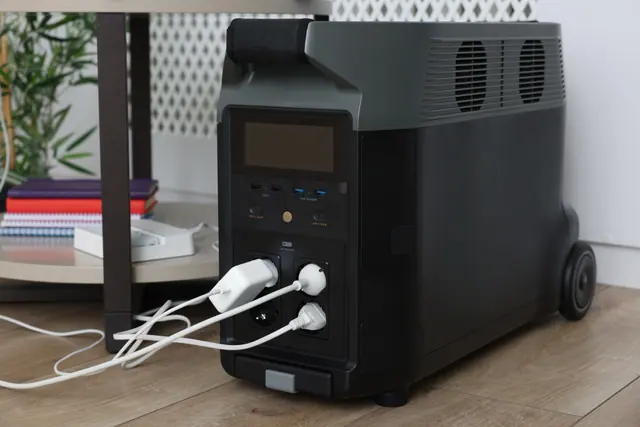
EcoFlow DELTA Pro 3
About 34 hours for a fridge, 2 LED lamps, 2 phones charging and a Wi-Fi router
- Runs them together481 W of its 4,000 W output
- Can start the motorsAbout 1,281 W at start-up, of its 8,000 W surge
- Enough outlets4 AC plugs, 4 AC outlets
- Stored energy
- 4,096 Wh
- AC output
- 4,000 W
- Surge
- 8,000 W
Check on Amazon for EcoFlow DELTA Pro 3 (opens in a new tab)
How this works. Runs together: the running watts of everything on your list, against each station's rated continuous AC output. Start-up: everything running plus the largest extra a motor draws for a moment as it starts, against the surge rating (one motor starting at a time). Lasts: 80% of stored energy, a planning allowance for conversion losses, divided by your daily use; no recharging. Station figures are the manufacturers' published specifications. Appliance figures are typical values; the label on your own appliance, or a plug-in watt meter, gives the real number, and you can type it in.
Anker SOLIX C1000: Anker lists 2,400 W as SurgePad, a mode for heating devices, and publishes no motor-start surge, so start-ups are checked against its 1,800 W rated output.
EcoFlow DELTA Pro 3: Four standard 120V outlets (NEMA 5-20R); its 30A RV and 240V outlets need matching plugs, and 120V and 240V cannot run at the same time.
Sources: Champion Power Equipment generator wattage chart; US Department of Energy FEMP light bulb guidance; Apple 20W USB-C Power Adapter; ResMed AirSense 11 user guide; station and panel specifications from Jackery, Anker and EcoFlow.
Open the full power calculator, with more stations and solar panels